

Industrial Mould
Industrial mold manufacturing, in essence, involves the conversion of well-designed product prototypes into usable physical molds through specific techniques and processes. These molds can be utilized in various manufacturing processes such as plastic injection molding, die casting, rubber compression molding, significantly enhancing production efficiency and product quality. In the industrial realm, mold manufacturing is regarded as the "magic source" of manufacturing because it directly determines the quality of product molding and production efficiency.
Advantages of Industrial Mould
Efficient high production
Once you have developed the molds, the process is extremely fast with cycle times as short as 10 seconds. It is excellent for medium and high-volume production runs for anything from 10,000 parts to well over 100,000 depending on what molds you use.
Repeatability
You can manufacturer identical products over and over again. This is ideal when you need to have parts with high tolerances and reliability across high volumes.
Low waste
The injection molding process produces very little waste when compared to many other manufacturing processes. Even if there is any unused or waste plastic, you can recycle it for future use.
High detail
The process involves injecting molten plastic into the mold under very high pressure. This presses the plastic hard up against the molds allowing complex and intricate shapes plus a lot of detail.
-
![Plastic Pipe Fittings Mould]()
-
![Plastic Injection Water Faucet Mould]()
-
![Plastic Injection Pipe Fitting Mould]() Plastic Injection Pipe Fitting MouldThe materials commonly used in plastic injection molding pipe fittings mainly include the following categories:read more
Plastic Injection Pipe Fitting MouldThe materials commonly used in plastic injection molding pipe fittings mainly include the following categories:read more -
![Plastic Water Dispenser Faucet Injection Mould]()
-
![Plastic Water Faucet Injection Mould]()
-
![Internal And External Threaded Plastic Injection Mold]() Internal And External Threaded Plastic Injection MoldThreads on plastic molds: types, functions and selectionread more
Internal And External Threaded Plastic Injection MoldThreads on plastic molds: types, functions and selectionread more -
![Cable Spool Plastic Injection Mold]() Cable Spool Plastic Injection MoldThe benefits of plastic injection molds for bobbins by and large consist of the following aspects:read more
Cable Spool Plastic Injection MoldThe benefits of plastic injection molds for bobbins by and large consist of the following aspects:read more -
![Injection Plastic Spool Bobbin Mould]() Injection Plastic Spool Bobbin MouldHigh mechanical strength, good toughness, high tensile and compressive strength. The specific tensile strength is higher than that of metal, and the specific compressive strength is comparable to...read more
Injection Plastic Spool Bobbin MouldHigh mechanical strength, good toughness, high tensile and compressive strength. The specific tensile strength is higher than that of metal, and the specific compressive strength is comparable to...read more -
![Plastic Bobbin Coil Mold]() Plastic Bobbin Coil MoldThe plastic spool is made of special engineering plastic injection molding. It has high product precision, advanced structure, and reinforced side plates with dense ribs. It has the...read more
Plastic Bobbin Coil MoldThe plastic spool is made of special engineering plastic injection molding. It has high product precision, advanced structure, and reinforced side plates with dense ribs. It has the...read more -
![Cable Spool Mould]() Cable Spool MouldThe production process of spool molds can be divided into the following main steps:read more
Cable Spool MouldThe production process of spool molds can be divided into the following main steps:read more -
![Plastic Cone Bobbin Mould]()
-
![Helmet Injection Mold]() Helmet Injection MoldThe injection molding process of helmets seems simple on the surface, but it is not easy to really do it well and meet safety standards and user requirements. This requires both certain...read more
Helmet Injection MoldThe injection molding process of helmets seems simple on the surface, but it is not easy to really do it well and meet safety standards and user requirements. This requires both certain...read more


Why Choose Us
Quality assurance
Our plastic moulds company with high quality standards, detailed mould specifications and special requirements, enabling us to offer our customers a comprehensive solution to their injection molding needs.
Comprehensive solution
We have mastered product development, mold design, raw material selection, process optimization, production management, quality control, customer service, international freight forwarding, etc.Can offer our customers a comprehensive solution to their injection molding needs.
Professional team
Through years of experience in the manufacture of injection molding, we have cultivated an excellent team and established a comprehensive system to meet different needs of customers.
Competitive price
We seek to reduce costs for our customers' product development and manufacturing, so as to help customers win in the highly competitive market.
Types of Industrial Mould
Injection molds
The first common industrial mold type we will discuss is injection mold. Injection molds are the most widely used molds in the plastics industry. The first step in injection mold design is to create a product design or 3d model of the part to be produced. This model will create a mold design that can produce the part accurately and efficiently.
Blow molds
Blow molds manufacture plastic containers, such as bottles and jars. Such molds are typically made of aluminum or steel and are designed to form a hollow part. Blow mold design typically requires, first and foremost, an in-depth familiarity with the product that will be made with the mold. The product’s form, dimensions, and construction all fall under this category.
Compression molds
Another popular type of industrial mold used today is compression mold. Firstly, creating a product design is the initial stage in compression mold design. The design should consider the product’s function, the material it will be made of, and any standards or regulations it must adhere to.
Extrusion molds
Extrusion molds produce plastic profiles, such as pipes and tubing. The first step in the extrusion mold design process is to select the material that will be used for extrusion. The material’s properties, such as its melting point, viscosity, and thermal conductivity, will determine the design of the mold.
Die casting molds
Die-casting molds are the types of industrial molds used to produce metal parts with a high degree of accuracy and consistency. Before starting the die-casting industrial mold design, it is important to identify the requirements such as size, shape, tolerance, material, and the number of cavities required. This will help in determining the size and complexity of the mold.
Sheet metal forming molds
Sheet metal forming molds create complex shapes out of thin metal sheets. Choosing the right material for the mold is the first stage of the sheet metal forming mold design process. The material must be robust enough to endure the intense heat and pressure of the forming procedure. Steel, aluminum, and brass are common choices for these mold materials.
Materials Used in Industrial Mould
Steel
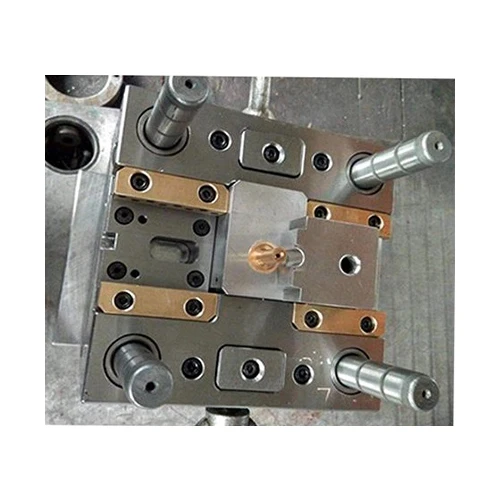
Steel molds are one of the most common and widely used types of molds. The steel material is sturdy and durable, with high strength and corrosion resistance, and a long service life. Common steel materials include 45 steel, p20, 718, s136, etc.
Silicone rubber
Silicone rubber molds have excellent high-temperature resistance and can withstand temperatures up to 200 ℃. They are commonly used to manufacture plastic packaging molds for high-temperature sealing gaskets and electronic components.
Aluminum alloy
Aluminum alloy molds are lightweight, easy to process and maintain, have excellent thermal conductivity and plasticity, and are easy to manufacture molds with complex shapes. The commonly used materials for aluminum alloys include adc12, a380, etc.
Plastics
Plastic molds are mainly used in injection molding, with the advantages of low cost and easy production of large-scale molds, but with a short lifespan. Common plastic materials include abs, pp, pc, etc.
The Characteristics of Industrial Molds Made of Different Materials
Steel molds
Steel molds have long durability and service life, making them suitable for producing large quantities of high demand products. However, steel molds are relatively heavy and have high processing costs.
Aluminum alloy molds
Aluminum alloy molds have low processing costs and light weight, making them suitable for small and medium-sized enterprises with low requirements for mold quality. However, their service life is short and they are not suitable for large-scale production.
Silicone rubber molds
Silicone rubber molds have excellent high-temperature resistance and are suitable for production in high-temperature environments. But compared to other materials, silicone rubber molds have a shorter lifespan.
Plastic molds
Plastic molds have low manufacturing costs and high production efficiency, making them suitable for large-scale production with low requirements for mold quality. However, plastic molds have a shorter lifespan and are not suitable for long-term continuous production.
The process of industrial mold manufacturing begins with product design. Designers create virtual models of products using computer-aided design (cad) software based on client requirements and product specifications. The key in this phase lies in ensuring the accuracy and manufacturability of the design to facilitate subsequent machining processes smoothly.
Next comes mold design. Mold designers translate product designs into feasible mold structures. This involves determining parameters such as the shape, size, material, and opening-closing mechanism of the mold. The quality of mold design directly impacts the quality and production efficiency of the final product.
Once mold design is completed, it proceeds to the stage of material selection and procurement. Suitable materials are chosen for manufacturing based on the specific requirements and usage environment of the mold. This may involve selecting metal materials, plastic materials, or even composite materials to ensure that the mold possesses sufficient strength, wear resistance, and corrosion resistance.
Subsequently, mold machining takes place, which is the most critical step in the industrial mold manufacturing process. Using computer numerical control (cnc) machine tools and other precision machining equipment, selected materials are processed into the physical form of the mold. This requires a high level of technical expertise and experience to ensure the precision and surface quality of the mold.
Finally, mold debugging and testing are conducted. Completed molds undergo rigorous debugging and testing to verify their performance and stability. This may involve assembly, adjustment, and mold trial steps to ensure that the mold operates smoothly and meets the requirements of product production.
The industrial mold manufacturing process is a complex and precise endeavor, involving the integration of multiple steps and specialized technologies. Only by striving for excellence in each stage can high-quality and efficient mold products be produced, providing solid support for the development of modern manufacturing.
Industrial Mold Manufacturing Process Flow
The mold manufacturing process flow is the core of industrial mold manufacturing, determining the specific steps and procedures from design to production of the mold.
Mold design phase
Designers use cad software to create virtual models of products and translate them into feasible mold designs. This includes determining key parameters such as the structure, size, accessories, and opening-closing mechanism of the mold. Excellent mold design requires consideration of both product functionality and appearance, as well as the convenience of mold manufacturing and usage.
Mold machining phase
Mold machinists use design drawings and specifications to process selected materials into the physical form of the mold using cnc machine tools and other precision machining equipment. This may involve various machining processes such as milling, turning, and grinding to ensure that the mold has high precision and good surface quality.
Mold assembly and debugging phase
Completed molds undergo strict assembly and debugging to ensure the coordinated operation of various components and the normal operation of the mold. This may include component assembly, mold opening-closing testing, cooling system debugging, etc., to ensure that the mold meets the requirements of product production.
Mold testing and validation phase
Completed and debugged molds undergo rigorous testing and validation to verify their performance and stability. This may include mold trials, inspection of production samples, mold life testing, etc., to ensure that the mold meets the continuous production requirements of products.
The mold manufacturing process flow covers multiple stages including mold design, machining, assembly, debugging, testing, etc., each of which is crucial. Only by striving for excellence in each stage can high-quality and efficient mold products be produced, providing reliable support for the development of modern manufacturing.
Applications of Industrial Mold Manufacturing
Automotive manufacturing industry
Automotive manufacturing is one of the primary application areas of industrial mold manufacturing. In the automotive manufacturing process, molds are used to produce various components of automobiles, including body, engine parts, interior decoration parts, etc. The quality and precision of automotive molds directly affect the performance and quality of automobiles, making stringent requirements on molds in automotive manufacturing.
Electronics manufacturing
With the continuous popularization and upgrading of electronic products, the demand for molds in electronic product manufacturing is also increasing. Molds are widely used in the production of electronic product casings, keyboards, connectors, and other components. The miniaturization and precision requirements of electronic products necessitate molds with higher machining precision and surface quality.
Medical device manufacturing
Medical device manufacturing requires high product safety and hygiene, thus special attention is paid to material selection and machining processes of molds. Molds are commonly used in the production of various medical device casings, pipes, connectors, and other components.
Other industries such as household goods manufacturing, daily necessities manufacturing, construction materials manufacturing, etc., also rely on industrial mold manufacturing support. Molds are used in these industries to produce various plastic products, metal products, rubber products, etc., providing essential and convenient products for people's daily lives.
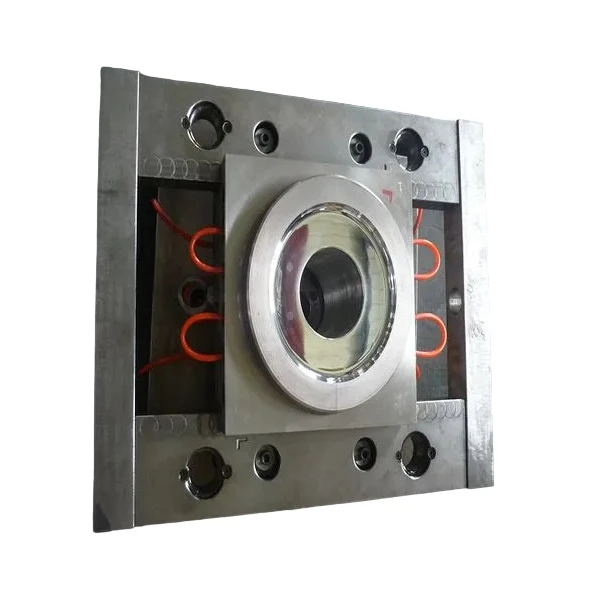
During the production of industrial mould, strict inspection and testing should be carried out to ensure that the quality and performance of the mold meet the requirements. This includes testing the size, hardness,and surface quality of the mold, as well as evaluating the service life and durability of the mold.
Material inspection
Before starting mold production, it's important to conduct a material inspection to ensure that the material meets the required specifications. This can include verifying the material composition, hardness, and other key properties.
Dimensional inspection
During the machining and fabrication process, it's important to conduct regular dimensional inspections to ensure that the mold is being produced according to the design specifications. This can include using precision measurement tools such as micrometers, calipers, and height gauges to verify the accuracy of critical dimensions.
Visual inspection
Conducting regular visual inspections throughout the mold-making process can help identify any defects or issues early on. This can include inspecting the surface finish of the mold, looking for any cracks or defects, and verifying the correct placement of any inserts or components.
Functional testing
Once the mold is complete, it's important to conduct functional testing to ensure that it performs as expected. This can include using the mold to produce sample parts and conducting quality inspections on those parts to ensure that they meet the required specifications.
Ongoing maintenance
Regular maintenance of the mold is critical to ensure that it continues to perform as expected over time. This can include regular cleaning and lubrication, inspections for wear and tear, and repairs or replacements as needed.
FAQ
We're professional industrial mould manufacturers and suppliers in China, specialized in providing high quality customized service. We warmly welcome you to buy industrial mould in stock here from our factory. For price consultation, contact us.